
Are camping pods “buildings” for capital allowances purposes?
The First-tier Tribunal (FTT) recently considered whether a number of camping pods could qualify for the annual investment allowance. As with many similar cases, the answer was “it depends”. What can you learn from it?
-
Deadline to pay Class 1B NI
-
HMRC speeds up National Insurance refunds
HMRC has confirmed that it is using a new automated process to speed up National Insurance refunds. Where its records suggest that someone may have overpaid, HMRC will write to them asking them to check their employment and contribution details before any refund is processed. Could you be due money back?
-
Should you voluntarily payroll benefits in kind?
The window to sign up to voluntarily payroll non-mandatory benefits in kind for 2027/28 will open in November. Is it worth volunteering to pay HMRC earlier than required or should you wait until it becomes mandatory in 2028/29?
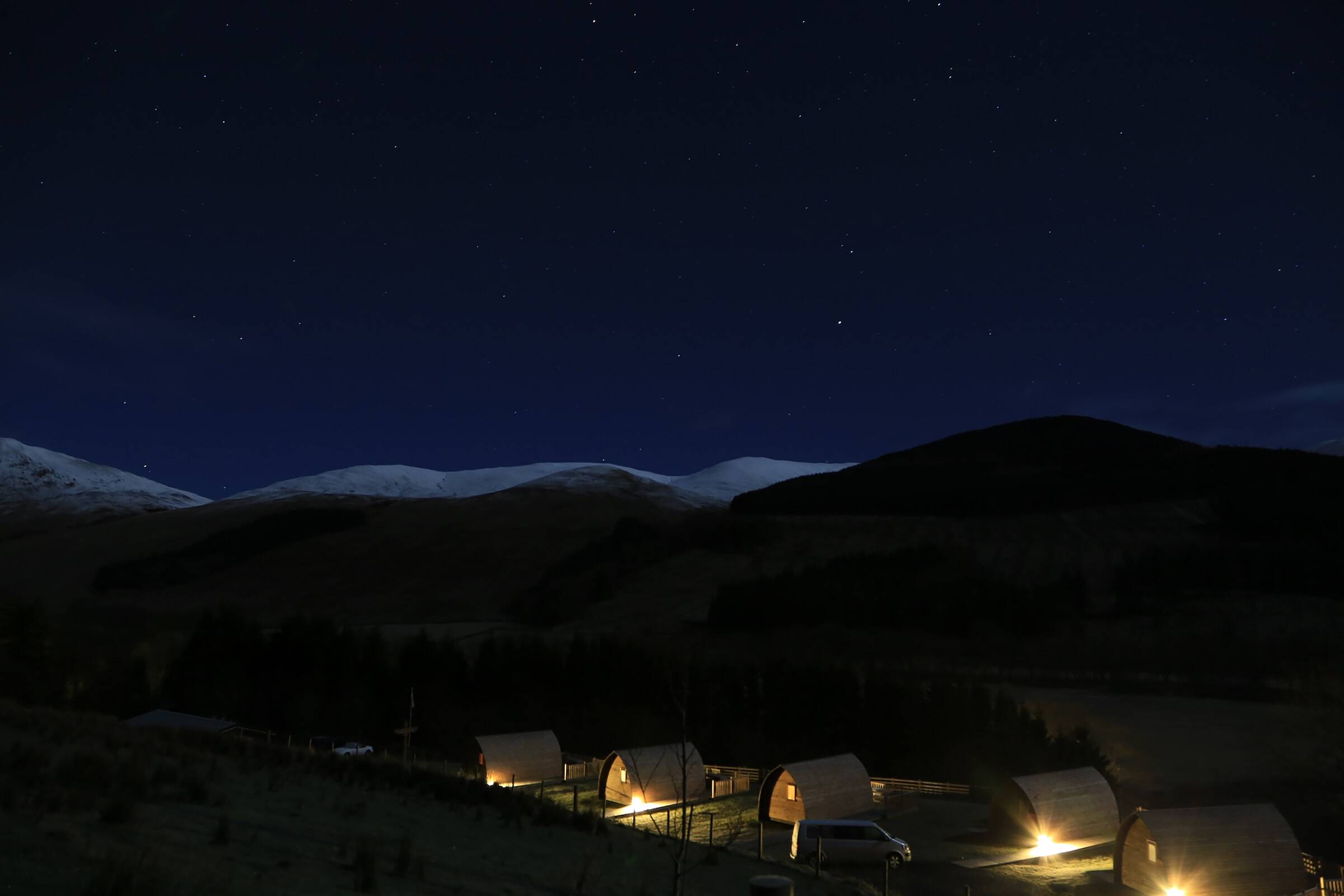
The company, Acorn Venture Ltd (AV), purchased 26 camping pods to provide accommodation for school children and teachers on residential trips. The cost of the pods was approximately £272,000. AV claimed capital allowances under the annual investment allowance on its tax return. The overall position was a loss. However, upon enquiry HMRC disallowed the claim on the basis that the pods were buildings or fixed structures.
At the hearing, the FTT made a distinction between the two types of pod included in the claim. There were 20 “basic” pods, and six more developed pods the FTT designated “teacher” pods. The basic pods were anchored to the ground to prevent movement, e.g. in windy weather. The pods were not living accommodation. At best, it could be said that they offered a similar function to a tent. The FTT determined that these basic pods were not fixed structures, and allowances could be claimed in respect of their cost. In contrast, the six teacher pods had flushing toilets, washing facilities and a kitchen area. The plumbing fixtures meant that the pods had to be secured to the ground with a greater degree of permanence than the basic pods. They were held to be fixed structures, so allowances couldn’t be claimed in respect of these pods.
This just goes to show how the devil is often in the detail with capital allowances. The two types of pod looked identical from the outside, but the internal features made the teacher pods more akin to living accommodation than a temporary shelter.



 This website uses both its own and third-party cookies to analyze our services and navigation on our website in order to improve its contents (analytical purposes: measure visits and sources of web traffic). The legal basis is the consent of the user, except in the case of basic cookies, which are essential to navigate this website.