
HMRC issues warning to those filing tax returns
December and January are always the busiest months for tax return filing. HMRC has recently issued a warning about self-assessment scams, including phishing emails and texts. How can people avoid getting caught?
-
Deadline to pay Class 1B NI
-
HMRC speeds up National Insurance refunds
HMRC has confirmed that it is using a new automated process to speed up National Insurance refunds. Where its records suggest that someone may have overpaid, HMRC will write to them asking them to check their employment and contribution details before any refund is processed. Could you be due money back?
-
Should you voluntarily payroll benefits in kind?
The window to sign up to voluntarily payroll non-mandatory benefits in kind for 2027/28 will open in November. Is it worth volunteering to pay HMRC earlier than required or should you wait until it becomes mandatory in 2028/29?
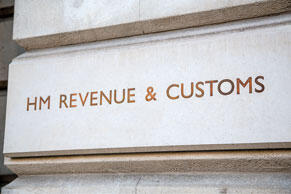
HMRC occasionally contacts taxpayers to warn them to be vigilant about potential scams designed to trick them out of money. A well-known tactic in recent years is where an individual calls the taxpayer purporting to be from HMRC, insisting that the taxpayer owes money, and that if payment is not made immediately “criminal proceedings” will commence. Taxpayers may be particularly susceptible to scams if they have recently submitted their return, whether they have a liability or a refund. HMRC is now warning people to look out for emails and text messages that are referring to the self-assessment process. These phishing emails aim to trick the unsuspecting taxpayer into divulging sensitive information, such as bank details.
HMRC’s Director General for Customer Services, said: “Never let yourself be rushed. If someone contacts you saying they’re from HMRC, wanting you to urgently transfer money or give personal information, be on your guard. HMRC will also never ring up threatening arrest. Only criminals do that. Scams come in many forms. Some threaten immediate arrest for tax evasion, others offer a tax rebate. Contacts like these should set alarm bells ringing, so if you are in any doubt whether the email, phone call or text is genuine, you can check the HMRC scams advice on GOV.UK and find out how to report them to us.”
Suspicious emails claiming to be from HMRC can be forwarded to phishing@hmrc.gov.uk and texts to 60599.




 This website uses both its own and third-party cookies to analyze our services and navigation on our website in order to improve its contents (analytical purposes: measure visits and sources of web traffic). The legal basis is the consent of the user, except in the case of basic cookies, which are essential to navigate this website.