
Paper filing date approaching fast
The standard filing date for a personal tax return is 31 January. However, if you submit paper returns you need to do it earlier. What is the paper filing date, and how can HMRC’s new videos help if you need to remove yourself from self-assessment?
-
Deadline to pay Class 1B NI
-
HMRC speeds up National Insurance refunds
HMRC has confirmed that it is using a new automated process to speed up National Insurance refunds. Where its records suggest that someone may have overpaid, HMRC will write to them asking them to check their employment and contribution details before any refund is processed. Could you be due money back?
-
Should you voluntarily payroll benefits in kind?
The window to sign up to voluntarily payroll non-mandatory benefits in kind for 2027/28 will open in November. Is it worth volunteering to pay HMRC earlier than required or should you wait until it becomes mandatory in 2028/29?
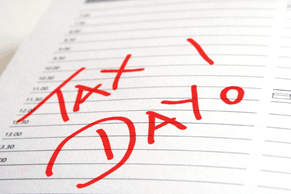
Currently, the self-assessment system is mainly processed in arrears, i.e. returns and payments are due after the end of the tax year. Most taxpayers have a filing deadline of 31 January after the end of the relevant tax year, so have almost ten months to gather and report their information. However, if you complete a paper return you only get until 31 October. You therefore have less than two weeks to get the return to HMRC.
Before you do, you may want to review your circumstances to see if you still need to be in self-assessment at all. For example, if you have ceased a claim to child benefit due to the high income child benefit charge, or were self-employed but have ceased trading. HMRC has published two videos explaining how to withdraw online, one for self-employed and one for others.




 This website uses both its own and third-party cookies to analyze our services and navigation on our website in order to improve its contents (analytical purposes: measure visits and sources of web traffic). The legal basis is the consent of the user, except in the case of basic cookies, which are essential to navigate this website.